Celebration event showcasing research undertaken in neurological rehabilitation to support young people after a stroke or ABI
Hosted by the YARNS Transitions Team at the University of Edinburgh
The RCN recommends using an updated browser such as Microsoft Edge or Google Chrome
When young adults experience a brain injury following a stroke, the rehabilitation services available to them are rarely designed to meet their particular needs. A patient under the age of 40 is likely to feel isolated during rehabilitation as a result of their age, as well as their injury.
In 2018, the RCN Foundation received funds raised by a CAF America campaign fronted by the actor Emilia Clarke. Working in partnership with SameYou, the brain injury charity founded by Clarke and her family, the Foundation implemented a programme of research and education designed to identify and meet the needs of young adults with an Acquired Brain Injury (ABI).
The programme began with a stakeholder forum to elicit views and feedback from nursing staff, academics, charities, and people with lived experience and their families, about the key issues and priorities that needed to be addressed.
A research study by the London School of Economics published in 2020. This study showed that training specialist nurses to help young people who have experienced brain injury could result in significant cost savings for the NHS. Download the LSE research study (PDF) or executive summary.
The award winning Young Adults Rehabilitation experiences and Needs following Stroke (YARNS) study by the University of Edinburgh. The study mapped the lived experience of neurological rehabilitation for patients aged 18 to 40, following a brain injury. Read the YARNS study and find out more about the YARNS team and their work via their regular blogs. In January 2025, the team published their scoping review of the rehabilitation care experiences and outcomes of young adults post-stroke.
The development, funding and delivery of the UK’s first-ever Postgraduate Certificate in Neurological Rehabilitation and Care at the University of Edinburgh.
A feasibility study exploring the development of a nurse-led, holistic, neurological rehabilitation intervention which supports the psychosocial rehabilitation and survivorship of young adults following an Acquired Brain Injury (ABI).
The YARNS team have created an interactive infographic to summarise their findings.
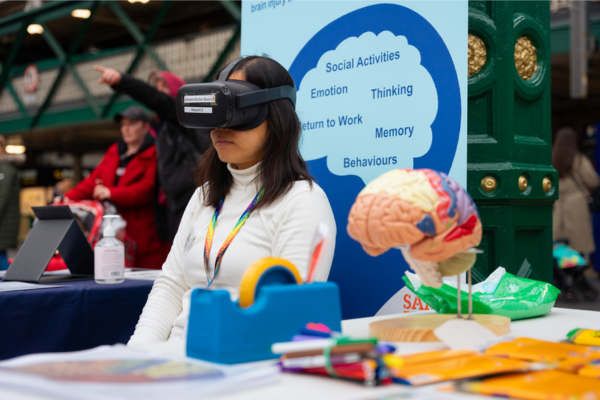
Image: Sam Lane Photography
The YARNS project team attended their first Festival of Social Science event in 2023, exploring young adults' stroke recovery journey with members of the public.
Dr Catherine Clarissa shares her experiences leading and organising the YARNS Transitions public engagement event - read about it here!
Learn more about the project:
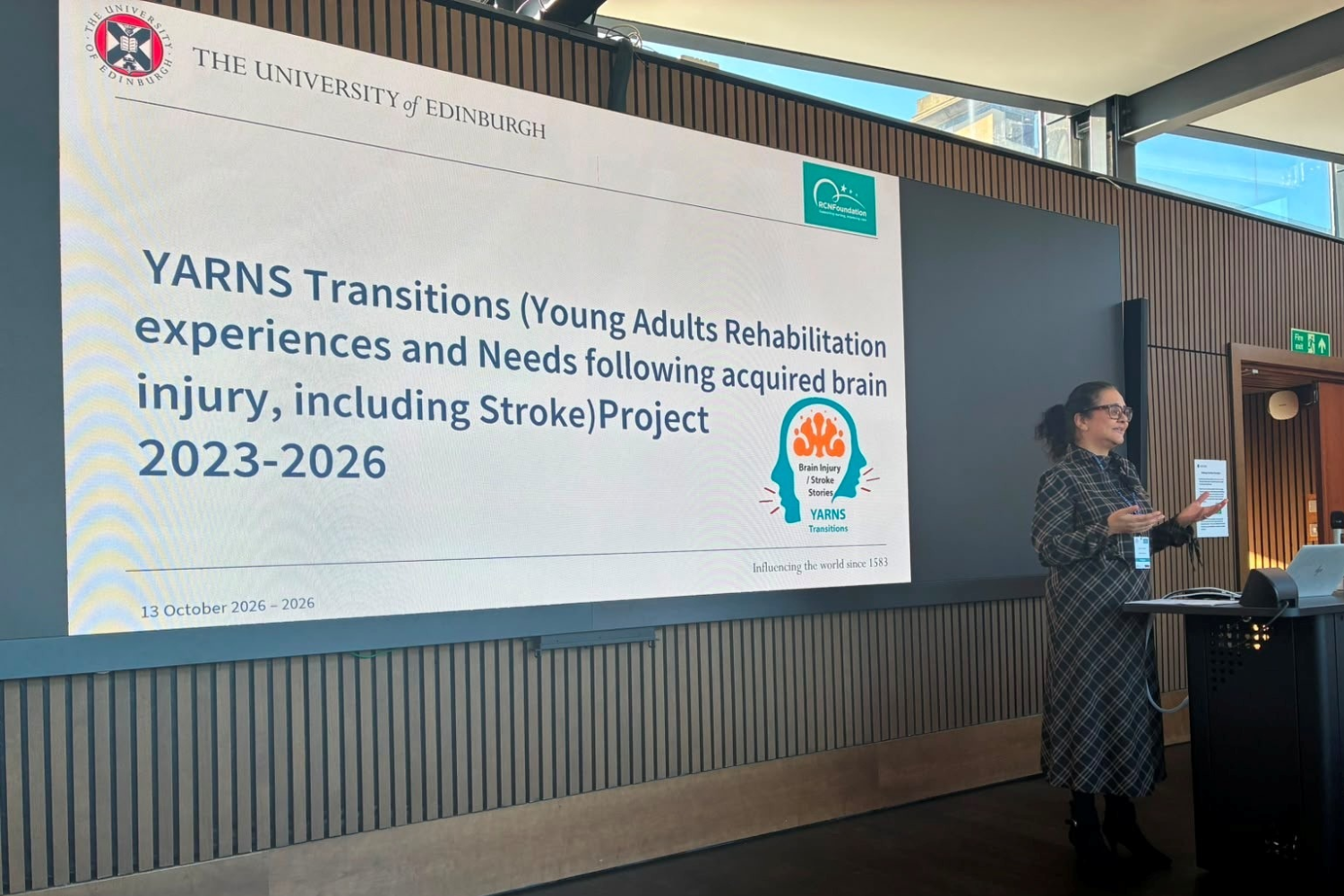
Hosted by the YARNS Transitions Team at the University of Edinburgh
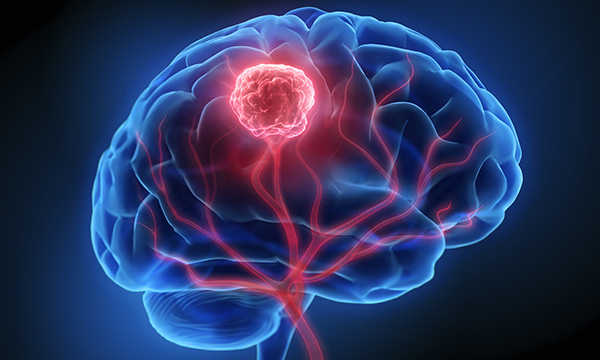
Exploring the development of a nurse-led, holistic, neurological rehabilitation intervention which supports the rehabilitation and survivorship of young adults following an ABI

A new online course has been developed at the University of Edinburgh to help nurses respond more effectively to the effects of neurological conditions
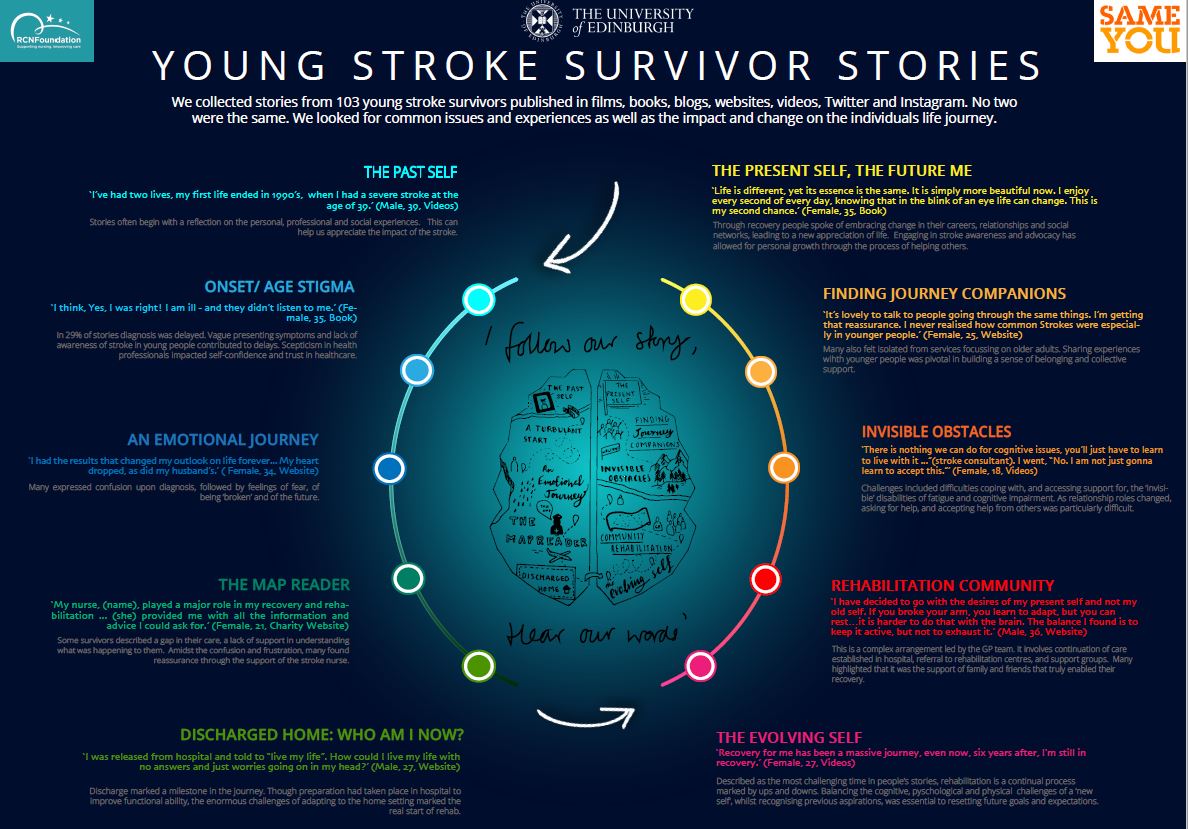
Young Adults Rehabilitation experiences and Needs following Stroke (YARNS) is an RCN Foundation funded study, in partnership with SameYou, exploring the experiences of young adult stroke survivors

With brain injury affecting more than two million people in the UK, a new report shows training more specialist nurses to help young people who have experienced brain injury could result in significant cost savings for the NHS

In 2021 Glenn Bassig successfully applied for a fully funded place on the UK’s first PGcert in Neurological Rehabilitation and Care. Now a course graduate, he reflects on his experience

Read about how students of the part-time postgraduate certificate in Neurological Rehabilitation and Care, which was funded by the Foundation and SameYou, found the course